NEWS HIGHLIGHT
Nature’s ‘eco-gold’: how poo can save the earth
ANU PhD student Samantha Shippley faces one of the greatest ecological challenges and turns to an unlikely hero: animal faeces.

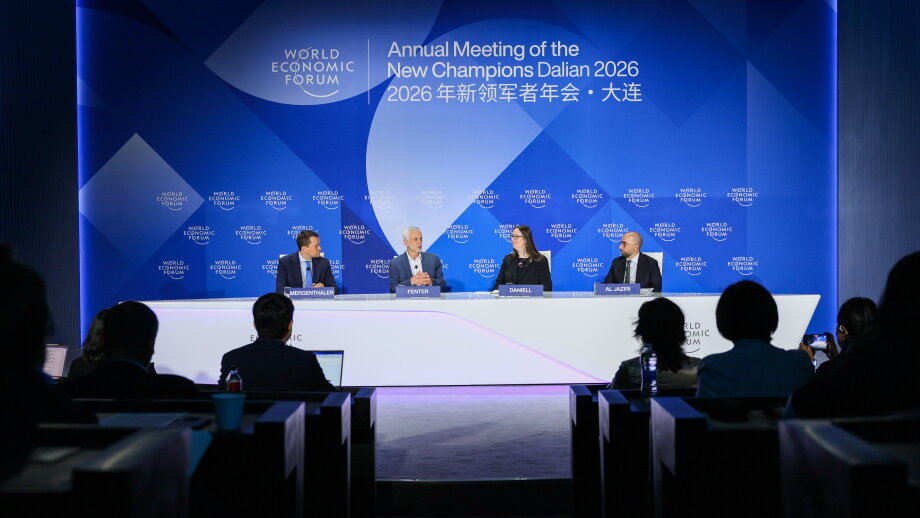
From AI world models to destruction of forever chemicals: the technologies to watch
Which emerging technologies could soon become part of everyday life? ANU expert Professor Katherine Daniell unpacks the innovations attracting global…

Not the greatest glider: first study puts Australia’s biggest glider to the test
The first scientific study of southern greater gliders overturns a decades-old belief about how far Australia's largest gliding marsupial can…

Engineering an inclusive community: Speed networking for International Women in Engineering Day
ANU recognises women in engineering through Inclusion, Diversity, Equity and Access (IDEA) initiatives.

How do Australians use AI?
Almost half of Australians reported having used generative AI at least once, according to the ‘AI Adoption in Australia’ report.

Cybersecurity expert protects democracy through academic independence
Dr Thomas Haines explains end-to-end verifiable electronic voting: how an election can be trusted without trusting the machines that run it.

Genetic rescue plan offers hope for critically endangered King Island scrubtit
New research funded by the Australian Government’s Saving Native Species program has revealed alarming levels of inbreeding among the last remaining…

Beyond the Algorithm: How One ANU Student Is Helping AI Think More Freely
Undergraduate honours student Harrison Oates is publishing research on AI planning, exploring how computers can solve problems more flexibly.

Bee food, energy solutions, moody qubits and more at the CSS 3MT finals
What do bee menus and 2D building blocks have in common? Both won at the ANU College of Systems and Society’s 3 Minute Thesis finals.

We count livestock losses during natural disasters. We should be doing the same for our iconic wildlife
George Wilson argues that if we value our native wildlife, we should monitor their numbers systemically.