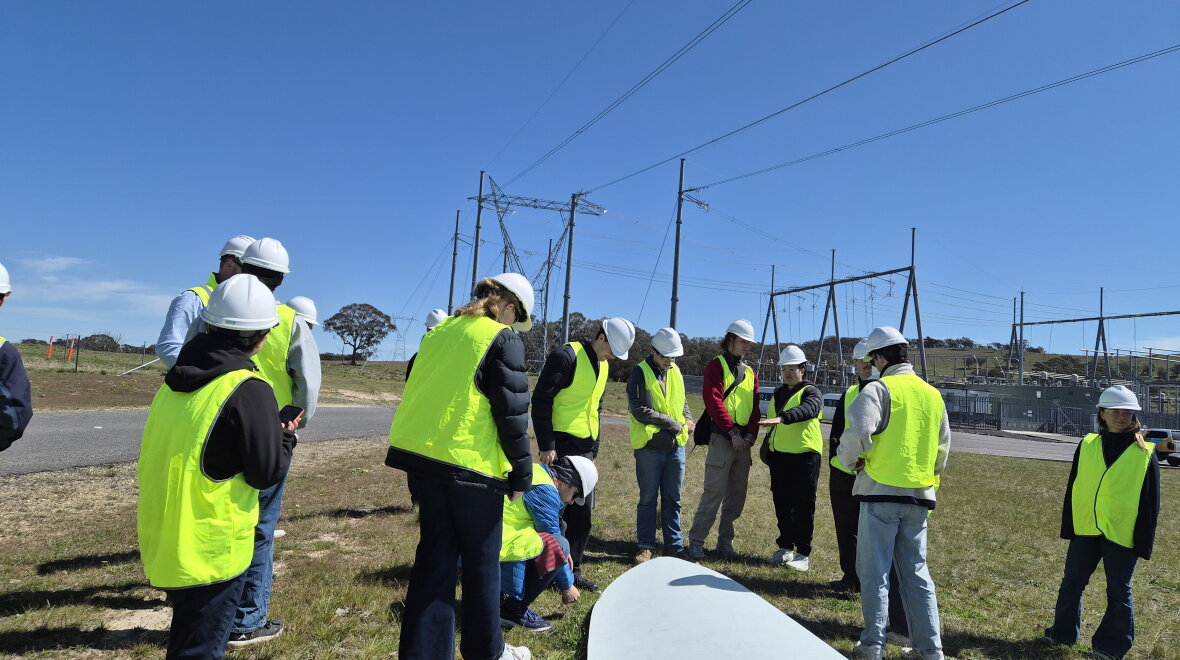
If you had a chance to swap your engineering lecture for a day with a visit to real-world wind farm, would you take it?
You can spend hours looking at PowerPoint presentations of wind speed calculations and grid connections, but now the same equations you were working through are a very real cluster of blades and machinery that thousands of homes depend on for power.
Engineering students traded their classroom for a day to visit nearby wind farms, leaving them inspired by what they discovered from this on-the-ground lesson.
"Pictures of the turbines really don't do them justice. Standing directly under the turbine felt really cool. You could feel that swooshing sound that they make," Pak San Foong, attending undergraduate student, exclaims.
"The wind farm was way larger than I anticipated. From the other side of Lake George, the turbines look tiny in comparison. I learnt they are incredibly complex," Tom Plaisted, another attending undergraduate student, comments.
To bring classroom concepts to life, course convenor Dr Shuang Wang, arranged a field trip to neighbouring wind farms near Lake George to give students a first-hand look at renewable energy in action.
The secrets to running a wind farm
A successful wind farm operation involves much more than turbine performance alone. Through their coursework, students are encouraged to think about environmental management, wildlife interactions, site access and safety – all factors required in wind farm planning.
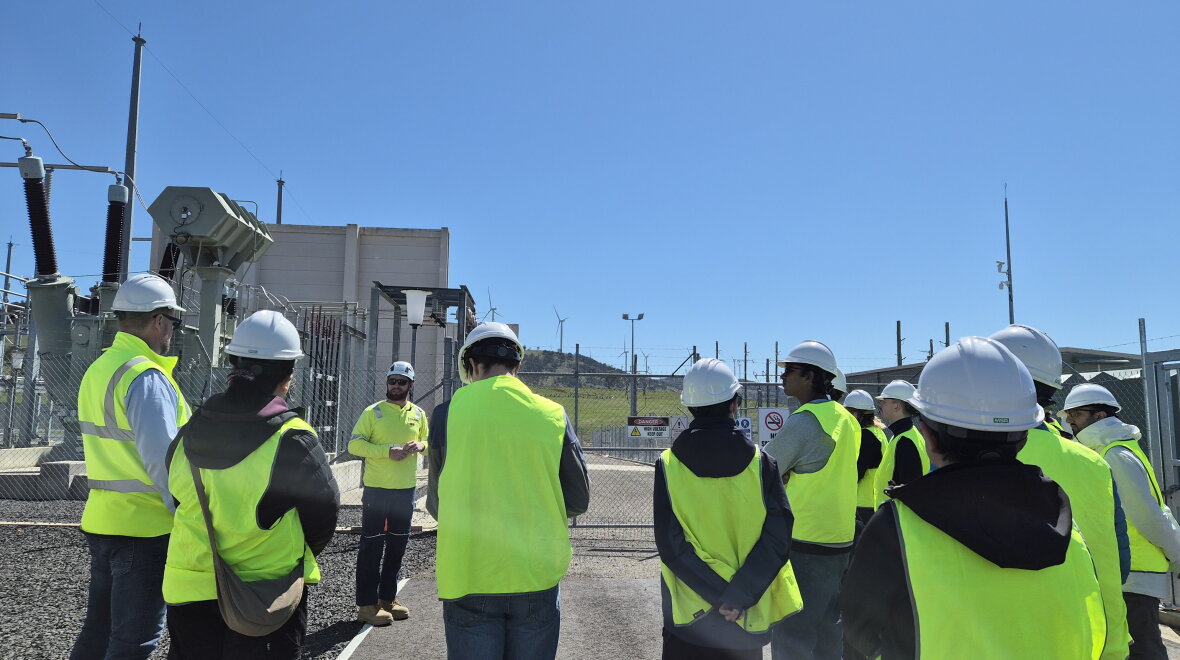
To expand on their knowledge, students got to meet and hear from the grid engineers of the wind farms, who explained how electricity is collected, transformed and connected to the wider power system and the National Electricity Market (NEM).
"This made me realise how much more complex the energy transition will be over the next decades. It's amazing to realise how these structures can power entire cities," Pak San shares.
"For Australia, it reinforced the opportunity we have to capitalise on wind energy given how large the area of our country is. Most other countries have a far higher population density, making wind a less attractive resource to harness due to less open space," says Tom.

Turbines and tough questions
Both wind farms that students visited are operated by Iberdrola Australia. A common challenge that both Capital Wind Farms and Woodlawn Wind Farm are trying to solve is what to do as the current wind turbines approach the end of their operating lives.
Thomas Dwyer, Iberdrola Australia Owner’s Representative who met with the students, discussed some of the options they are considering.
"Future options could include reusing suitable existing infrastructure while replacing the existing turbines with fewer, larger and more modern units.”
Thomas added, “Advanced recycling and materials-recovery programs will also be a critical part of the asset life-cycle strategy, supporting the responsible recovery, reuse and recycling of turbine components at end of life."
These conversations challenged students to think about repowering and end-of-life planning, which are becoming increasingly important as Australia’s first generation of large wind farms ages and something they may come across in their careers.
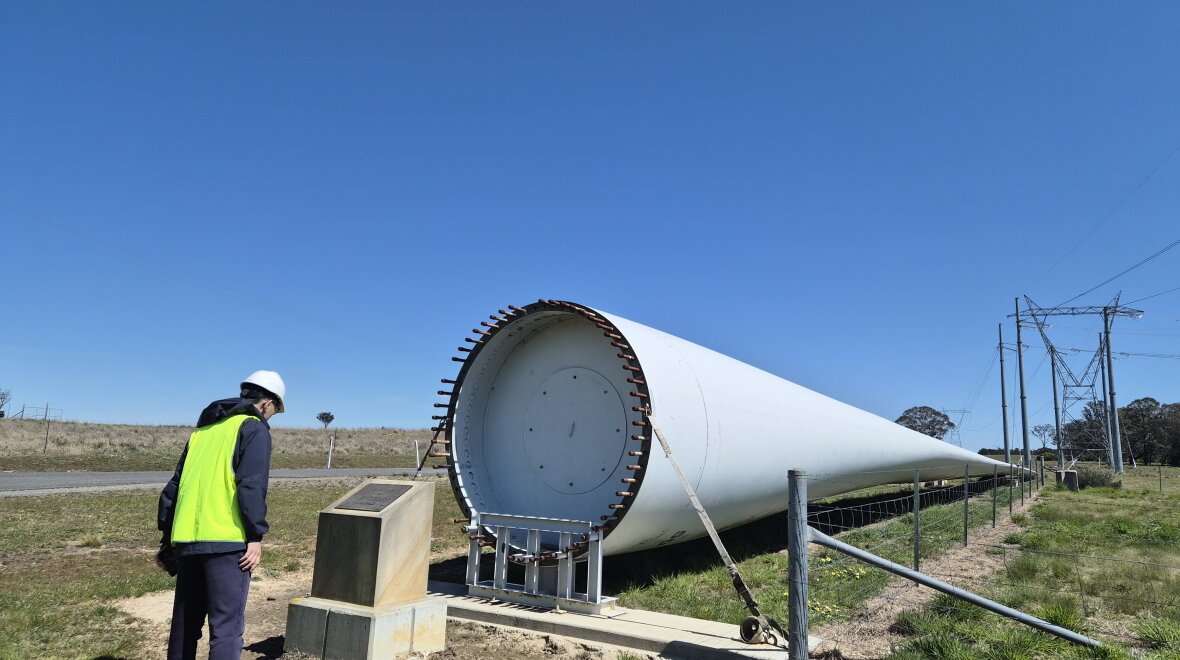
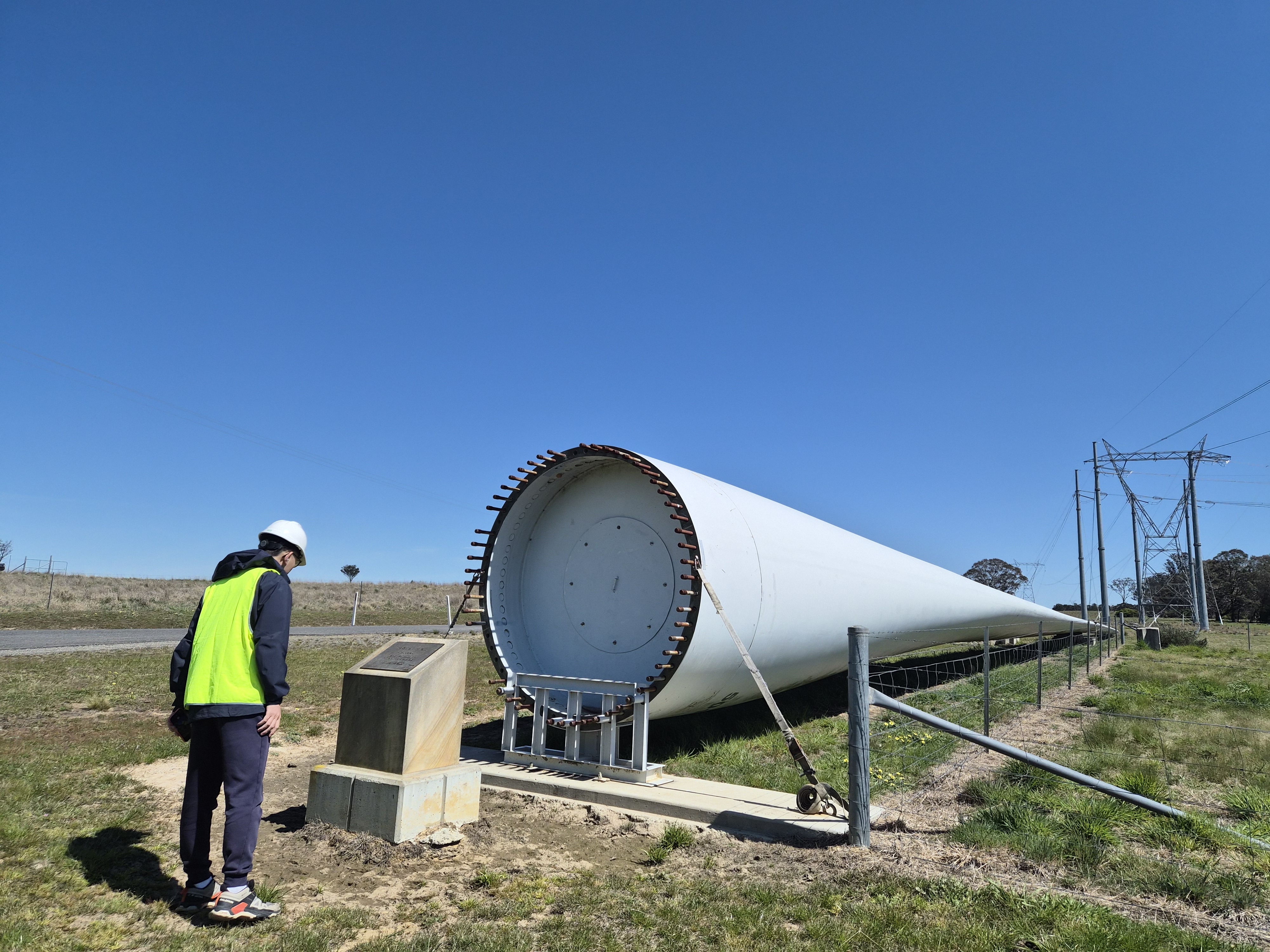
Students got to have a close look at a decommissioned turbine blade at full scale. This allowed them to inspect components that are difficult to appreciate through lecture material alone.
"Seeing them up close gave me a renewed sense of appreciation for how incredible technology is and has inspired me to work in a wind energy related career down the line." Tom reflects.
"Solar panels are visible every day on rooftops, whereas wind turbines have long been a more mysterious technology for me that you see on road trips."
Rounding out the experience for students
The wind farm visits play a huge role in students' learning in the ANU Wind Energy course. To give a holistic learning experience, the course also invites industry experts to share insights with students throughout the semester. This year, students heard from industry representatives including Fyfe, Windlab, Pardalote Consulting and Envision Energy, along with ANU researchers working at the forefront of energy research.
"There are many things that are difficult to appreciate fully from lecture slides alone. These industry and research contributions complement the core engineering material well and help students understand how the technical concepts are applied in real projects," says Dr Wang.
Classroom learning can only take you so far. For Tom and Pak San, it was an experience worth repeating.
“You get to meet with professionals and see firsthand how everything operates. You can see for yourself how many things can go wrong with the turbines, like lightning strikes or internal faults, and how hard it can be to identify and fix those issues,” Pak San exclaims.
"There is only so much you can understand and appreciate by learning and completing assignments on a computer screen. Seeing the real thing helps to synthesise all the concepts that you are taught," Tom adds.
Preparing students for future careers means going beyond lecture slides. It’s the real-world experience and conversations with industry professionals that complete the picture.
You may also like

Engineering an inclusive community: Speed networking for International Women in Engineering Day
ANU recognises women in engineering through Inclusion, Diversity, Equity and Access (IDEA) initiatives.
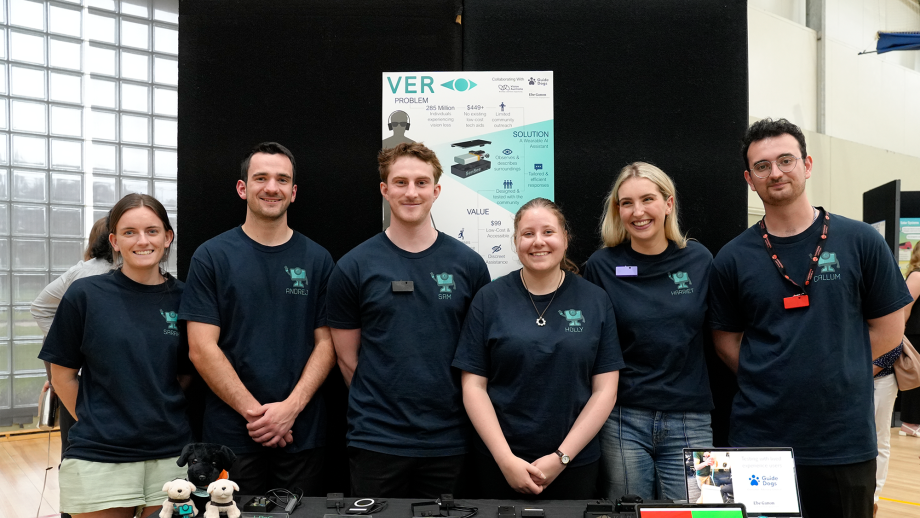
Inclusive engineering: ANU students design wearable tech for the low-vision community
Introducing Project VER, your wearable AI assistant designed to make every day easier for those with visual impairments.

Engineering the best solution: standout research projects from ANU showcase 2025
ANU engineering researchers and students showed off the creative ideas and practical solutions from their Capstone, internship, and research projects.