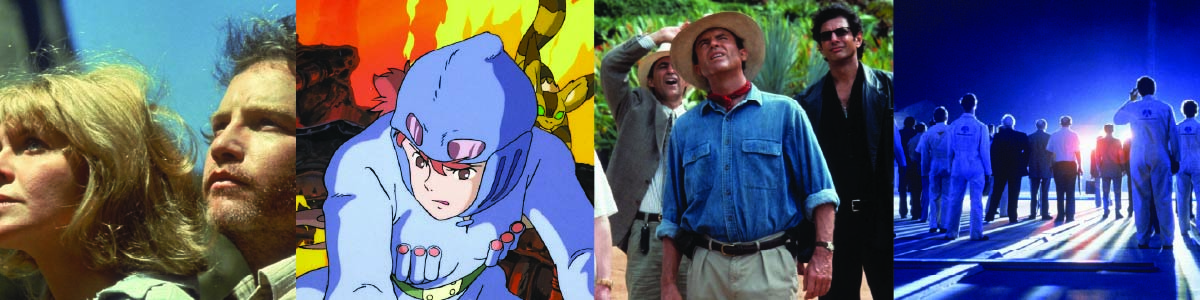
Think about all the movies you’ve watched in your entire life. Each one building its own world and blending elements of science and reality to draw you in.
But what if those stories are closer to reality than they seem? Where does imagination end, and science begin, et vice versa?
That’s the idea behind Science. Art. Film., a series of film screenings and discussions that bring together researchers, creatives and audiences to explore big ideas about science through cinema.
Designed for curious minds, experts unpack films into lively conversations, exploring topics like how neuroscience meets sound design, how environmental science digs into cult classics or how linguistics play a role in futuristic technology.
Beyond the lab
Science. Art. Film. is part of Popsicule, within the Science in Popular Culture and Entertainment Hub at ANU, founded and led by Dr Anna-Sophie Jürgens from the Australian National Centre for the Public Awareness of Science (CPAS).
Popsicule starts with the idea that science isn’t just in the lab or research paper – it’s already in the movies you watch and the stories you love. They don’t just entertain; they shape how we imagine science, from dinosaurs brought back to life to fears about AI taking over.” -Dr Anna-Sophie Jürgens

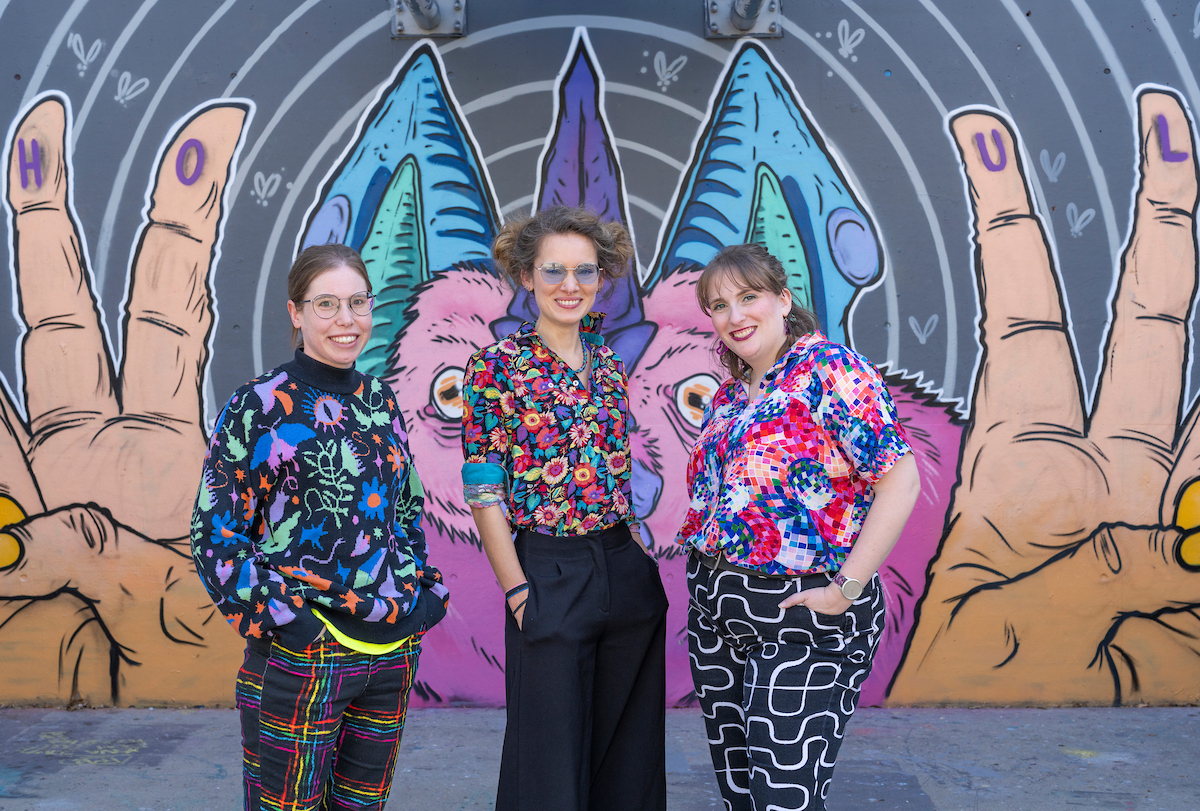
Popsicule team from left to right: Crystal-Leigh Clitheroe, Anna-Sophie Jürgens and Karina Judd
The series is delivered in partnership with the National Film and Sound Archive in Acton (NFSA). Every season, ANU and the NFSA create a gateway for audiences to enjoy a richer cinema experience; unpacking the science, creativity and contemporary issues explored in movies.
Alice Taylor, Creative Producer & Program Coordinator at the NFSA, shares her delight in this collaboration.
“The program reflects our shared passion for connecting audiences with ideas through culture and conversation. ANU is perfectly placed to hand-pick guest speakers across a range of disciplines, consistently bringing insight with inspiring and new perspectives on the program.”
Coming together was never just about the convenience of location, with ANU and the NFSA close neighbours in Acton. Alice emphasises, “Collaborations like this highlight the power of bringing cultural institutions and academia together to deliver public programs that inspire curiosity and foster deeper understanding.”
Since 2022, the monthly series brings researchers, creatives and audiences together in one room, with each film screening paired with a panel of experts from various research fields at ANU and beyond, showing how scientific ideas and imaginaries about science cross over the arts, humanities and social sciences.
“This is why this series makes it easy to see how ideas travel across disciplines - and why science is already part of your everyday culture,” Jürgens poses.
Recent seasons highlight just how wide-ranging these conversations can be.
“Screenings of Arrival sparked discussions on language, communication and time, drawing on linguistics and musicology. Ex Machina opened questions about artificial intelligence, embodiment and gender. Films like Children of Men brought in perspectives on global health, demography and crisis governance, while unexpected choices like Tank Girl connected environmental science with feminist approaches to technology - and even kangaroo behaviour.”
Each screening encourages the viewer to awaken their own inner scientist. "Science becomes something more than study; it becomes something you interpret, debate and experience from multiple angles together.”
Why film?
Film offers something very powerful: stories, characters, visual aesthetics and shared cultural references – these make complex ideas easier to grasp and harder to forget.
“Storytelling is such a powerful tool to help us see where we’ve come from, understand each other today and imagine the future we want to arrive in. The screenings are such great spaces to see adults explore their curiosity about the scientific ideas in these films.” – Crystal-Leigh Clitheroe, audience member and 2025 panellist
“Science fiction allows us to explore questions that don’t yet have clear answers. What does it mean to be human? How do we relate to emerging technologies? What kind of future are we building?” Jürgens poses.
2024 panellist Associate Professor Adrian Carter from Monash University also shares why films bridge the gap between people and science.
“Science fiction provides a unique lens through which we can understand and interrogate what it is that makes us human. Science. Art. Film. provides a space in which we can discuss these ideas in a forum that is humorous, thoughtful and challenging, with a great sense of community.”
By starting with a film, the series invites everyone in - whether you’re a physics major, an arts student, or just a film fanatic.
Science in motion
What sets Science. Art. Film. apart is what happens after the credits roll.
“Each event transforms a screening into a dynamic exchange: researchers share insights, audiences ask questions and ideas move between speakers and disciplines in real time.”
“Humour, curiosity and creative thinking are central to the experience, making discussions both intellectually rich and welcoming,” Jürgens remarks.
Attending students often highlight the atmosphere and discussions as a key part of the appeal.
“The panel discussion gave it a unique and captivating charm, with each expert bringing their own insight to the film. The audience questions made the event feel personal and interactive.” – Pidge Greenwood, audience member and 2025 panellist
Jürgens also comments on how the series also challenges familiar stereotypes about science and reveals how it’s imagined, represented and debated in very different contexts, in different ways and in everyday life.
“Instead of the lone ubiquitous ‘mad scientist’, audiences encounter science as something deeply embedded in culture - shaped by wonder, ethics, emotions and social contexts. It encourages students to think not just about what science is, but how it connects to broader questions about society, identity and the future.”
Science everywhere
Science. Art. Film. creates space for open dialogue and real-world impact with science. It invites people to encounter research in unexpected ways – through bold stories, visuals and shared experiences.
Whether you come for the film, the discussion, or a night out with friends, you’ll leave with something more: new perspectives, new questions and a stronger sense of just how much science there really is in everyday lives.
See the forthcoming events of Season 8 of Science. Art. Film.
Read more about the previous seasons of Science. Art.Film.