
Large, old trees scattered across Australia’s farming landscapes provide food and shelter for wildlife and connect fragmented habitats. But these paddock trees are disappearing, with too few young trees growing to replace them.
A new book featuring expertise from The Australian National University (ANU) explores why these trees matter and what can be done to protect them.
Paddock Trees Under Threat: Insights for Conservation and Management was co-authored by Distinguished Professor David Lindenmayer AO, from the ANU Fenner School of Environment and Society, and launched at ANU by ACT Senator David Pocock.
Paddock trees are large, old eucalypts that have survived clearing and other changes to the landscape. Their loss has significant consequences for biodiversity, agriculture and cultural heritage.
An estimated 12-15 billion trees were cleared from the Murray-Darling Basin alone by early European colonists, while up to 95-99 per cent of temperate woodland landscapes in south-eastern Australia have been cleared since colonisation. Without action, paddock trees could largely disappear from Australian farming landscapes within 50-100 years.
Drawing on decades of research and on-farm experience, the book explains how these trees can benefit wildlife, livestock, soil and water.
ANU expert Distinguished Professor Lindenmayer said protecting existing paddock trees was essential for our environmental legacy.
“Natural regeneration only happens within about 100 metres of an existing tree, so every tree we keep matters,” said Distinguished Professor Lindenmayer.
“These trees aren’t just good for wildlife. They shelter stock, cut lamb losses in cold weather and help keep water tables and salinity in check. This book brings together decades of research and the hard-won knowledge of farmers to show landholders exactly how to protect the trees they have and grow the ones they’ll need.”
At the launch, Senator Pocock emphasised the importance of bringing scientific evidence, local experiences and long-term thinking into decisions about Australia’s landscapes.
“The compelling case for changes in policy and practice is backed up by an extraordinary amount of data that comes from decades of research and monitoring, as well as stories straight from farmers about their on-farm experience,” said Senator Pocock.
He also highlighted the value of tens of thousands of years of First Nations cultures and knowledge in land management, farming and biodiversity conservation.
For First Nations peoples, paddock trees hold deep cultural significance, including as birthing places and burial sites, and as sources of bark for canoes and wood for implements.
While we have a long way to go when facing conservation challenges, Senator Pocock said this is an important addition to the conversation.
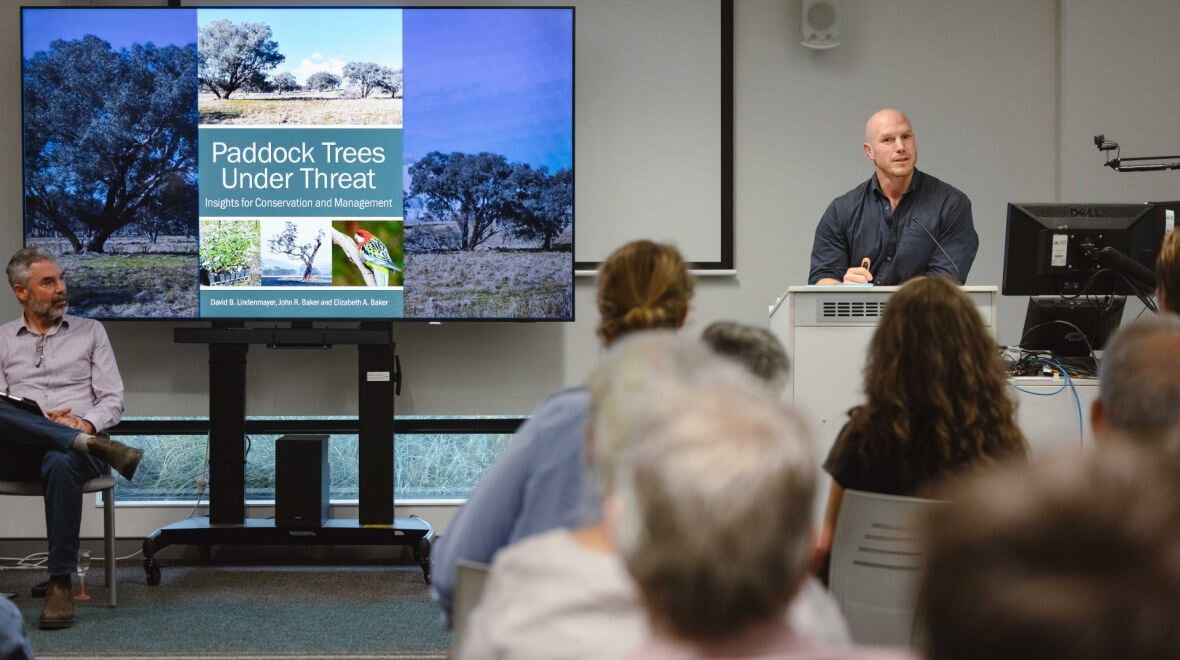

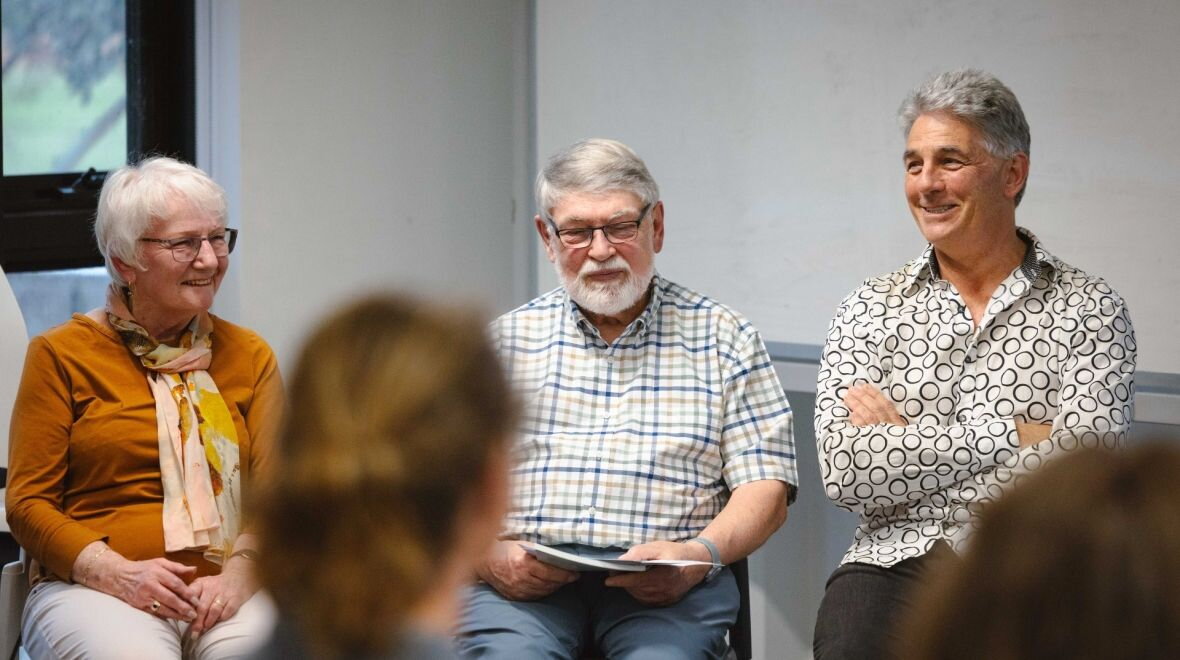
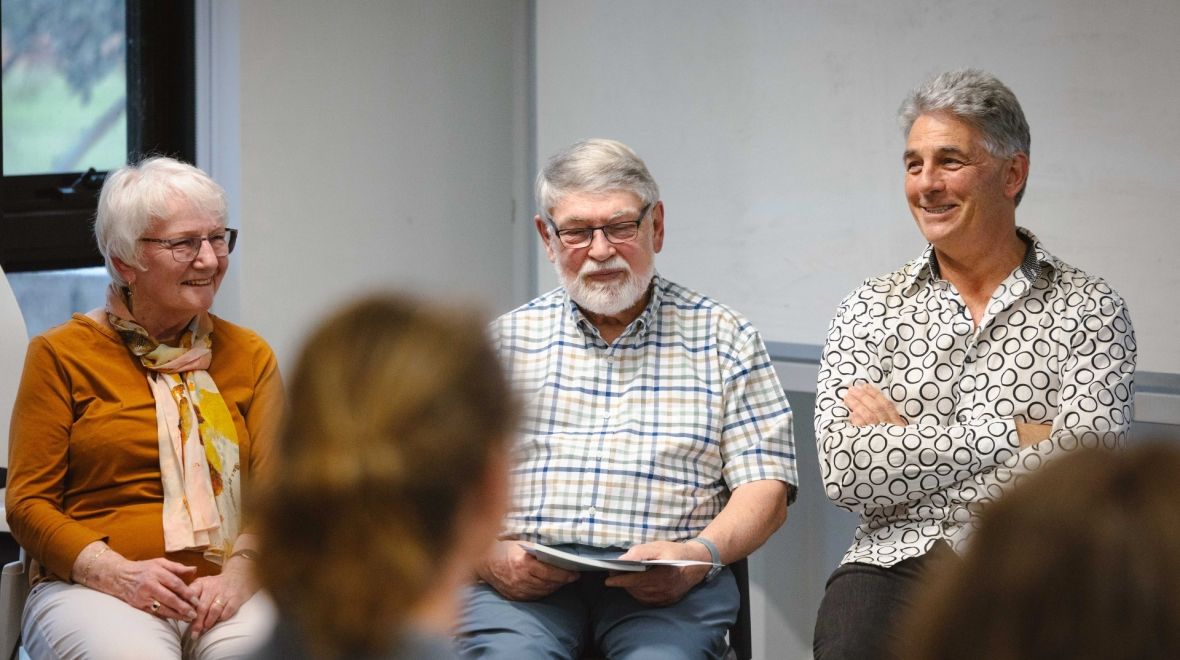
The book was co-authored by John and Liz Baker, landholders near Boorowa and Cowra, New South Wales, who have been planting and protecting paddock trees there for more than 30 years.
Paddock Trees Under Threat: Insights for Conservation and Management is available from CSIRO Publishing.
You may also like

Celebrate 80 years of ANU with us
Join us in celebrating 80 years of the ANU.

80 YEARS TOGETHER.
Explore our 80th anniversary celebrations and get involved.

Meet the ANU College of Systems and Society 3MT 2026 finalists
Okorite Itumo and Liye Fu will take to the stage on Friday for the ANU 2026 3 Minute Thesis (3MT) finals. Get to know them ahead of the event.