The planet is in crisis. While science turns to satellites, artificial intelligence, and gene editing for salvation, a most unlikely hero steps forward. Poo.
Yes, poo.
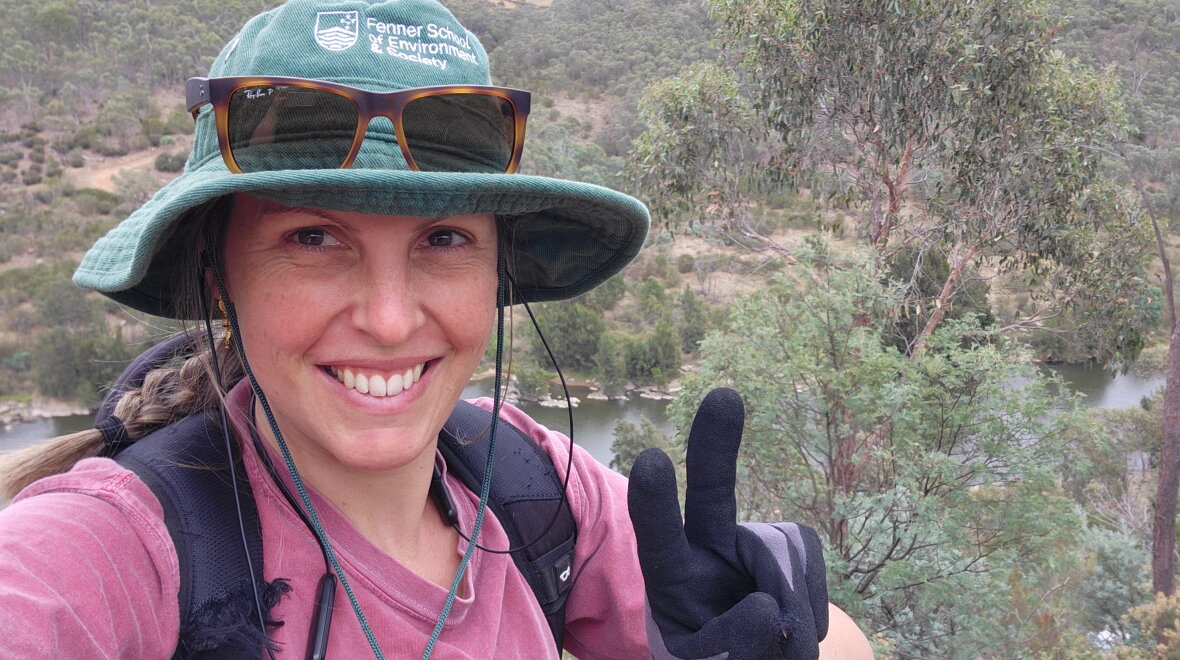
“Faeces, Dung, Scat or as I call it eco gold. I never imagined that animal poo would be so incredibly useful and exciting, but here we are,” laughs Samantha Shippley, a PhD candidate at The Australian National University (ANU).
Samantha is one of the many researchers working in environmental management and conservation.
Armed with DNA barcoding, a passion for conservation, and a surprising number of faecal samples, she’s on a mission to rescue one of Australia’s most critically endangered landscapes: native grasslands.
“I work with native grasslands, and although they cover just a sliver of the earth’s surface, they serve as biodiversity hotspots, critical to our planet’s health,” she says.
Despite their importance, grasslands are one of the most endangered and altered landscapes.
“In south-eastern Australia alone, less than one per cent remains intact. They’ve been grazed, ploughed, burned, built on, and they are choking with weeds. Now it’s herbivores - that shape and mould ecosystems, largely through what they eat and how much.”
It comes as no surprise that this PhD is a labour of love for Samantha.
“It’s an honour to pour that into the restoration of our native Australian grasslands and better understand how we can facilitate the co-existence of our native species with those that have been introduced over the past 150-years.”
“The problem is that we have fundamentally altered our grassland systems, and now we have no idea what today’s mix of herbivores is doing to it. That is where my research comes in. As does my very unexpected ally, poo.”
The truth behind the poo
Samantha studies the diet and habitat use of animals like kangaroos, wallabies, deer and cows. The importance of these animals comes more from the fact that they are found in large numbers, and less about their conservation status, posing an even greater impact to the environment.
After capturing tiny poo samples from eight different species, she was labelled the ‘poop doctor’ by many friends.
Her research led her to the remnants of the animal’s latest meals. Similar to scanning groceries at a supermarket, she uses a technique called DNA meta barcoding to investigate for traces of plant in poo and finally find out what’s on their menu.
“It works because every species on earth has a unique DNA sequence - acting just like a barcode. So, with less than one gram, I can tell you exactly who’s eating what,” she says.
Collecting over 1,700 pieces of poo, Samantha was soon confronted with somewhat alarming news.
“It seems that our large, non-native herbivores like our cows and deer are consuming way more weeds than our native species.”
The same animals were also excellent weed couriers, spreading the seeds across the landscape and indicating that their damage is far greater than she previously imagined.
“But there is a silver lining, this isn’t just theoretical. This critical knowledge helps to shape more effective management strategies and create a healthy ecosystem that is better equipped to support biodiversity, including our endangered and vulnerable species.”
“Although not the most glamorous hero, poo is helping me tackle one of the great ecological challenges of our time, with science, a little bit of creativity, and a willingness to get my hands dirty.”
The future of sustainability
A major misconception that Samantha faces daily is the idea that people think conservation is only about rare or endangered species.
"In reality, the use of conservation tools to look at broader, ecosystem level problems is needed. I think of it like running into a wildfire and extinguishing a single burning tree. You might manage to save it for a time, meanwhile the forest is burning to the ground around you. We need to be smarter with our resources.”
As younger generations are becoming more conscious of the planet’s future, she is eager on identifying ways to approach environmental sustainability.
“Our future and the future of generations to come, is relying on us to find better ways around environmental management and the sustainability of our natural resources.”
With the leaps and bounds that technology has made in the past few years, Samantha believes it's most exciting time for young scientists to think outside the box and make a real difference.
Who knew animal poo would be so incredibly useful?
You may also like
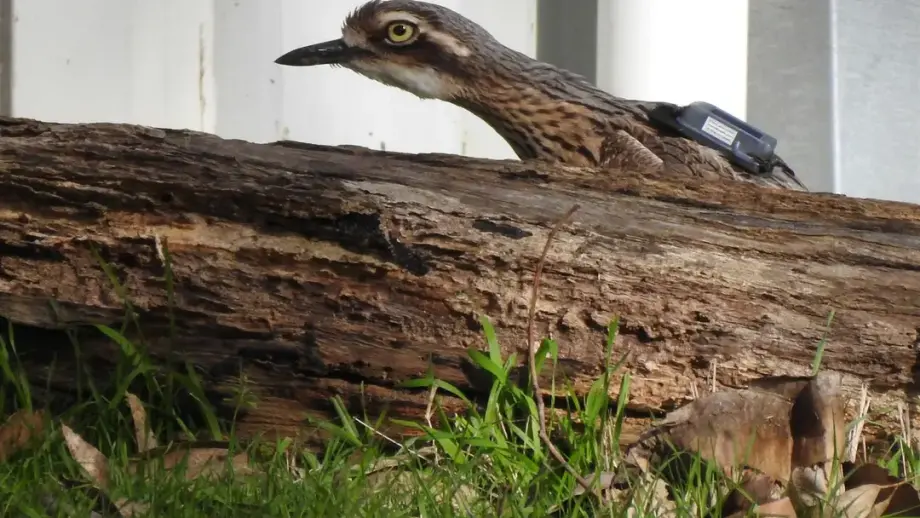
Birds with backpacks released on Phillip Island
Twenty-four bush stone-curlews will be reintroduced to the wild on Phillip Island (Milawul) as part of a landmark project involving researchers from The Australian National University (ANU) to help…

Tropical spiders build giant doppelgängers to survive
The extraordinary anti-predator strategy of two tiny, orb-weaving spider species has been uncovered by scientists from The Australian National University (ANU) and the University of Florida.

Water cycle instability drove global water-related disasters in 2025
Ongoing shifts in the global water cycle amplified floods, droughts and heat extremes in 2025, according to a new report involving an international team of researchers, led by ANU.